Introduction
- Importance of Car Insurance
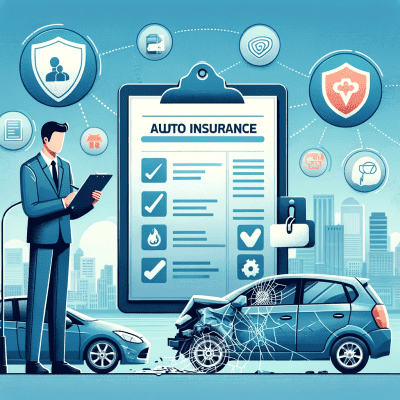
- Introduce why car insurance is essential, both as a legal requirement and for financial protection against accidents.
- Mention the challenges of finding the best car insurance among numerous options and why comparing quotes carefully is crucial for securing the best rates.
- Purpose of the Article
- Outline that the article will guide readers on comparing car insurance quotes, understanding key factors, and finding the best deals.
- Emphasize the need for an informed approach to maximize savings without sacrificing quality coverage.
1. Understanding the Basics of Car Insurance
- Types of Car Insurance Coverage
- Explanation of the main types of coverage:
- Liability Coverage: Covers damages to others and is mandatory in many areas.
- Collision Coverage: Covers damage to your own vehicle in accidents.
- Comprehensive Coverage: Covers damage caused by non-accident incidents like theft or natural disasters.
- Personal Injury Protection (PIP): Covers medical expenses and lost wages.
- Uninsured/Underinsured Motorist Coverage: Protects against accidents involving drivers with inadequate insurance.
- Example of how these coverage types combine to form a comprehensive policy.
- Explanation of the main types of coverage:
- Key Insurance Terms to Know
- Define essential terms like premium, deductible, coverage limits, and exclusions.
- Explain how these terms affect policy costs and what to consider when evaluating them.
2. Determining Your Insurance Needs
- Assessing Your Vehicle’s Value and Age
- Explanation of how a car’s value and age affect coverage needs. New or high-value cars may require full coverage, while older vehicles might only need liability or basic coverage.
- Evaluating Personal Factors
- Mention personal factors influencing coverage needs, such as driving frequency, location, and driving history.
- Example of how a low-mileage driver with a clean record might benefit from a lower coverage plan.
- Consideration of State Requirements
- Explanation of minimum insurance requirements in different states or countries and how they can impact your coverage options.
- Importance of meeting local legal requirements while not necessarily limiting yourself to minimum coverage.
3. Gathering and Comparing Car Insurance Quotes
- Where to Get Car Insurance Quotes
- Explanation of where to obtain quotes:
- Insurance Agents and Brokers: Offer access to multiple companies and help compare options.
- Insurance Company Websites: Provide direct quotes and allow for policy customization.
- Online Comparison Sites: Platforms that let you compare multiple quotes at once.
- Pros and cons of each quote source.
- Explanation of where to obtain quotes:
- How to Gather Accurate Information for Quotes
- Information needed for an accurate quote, like driving history, vehicle information, and annual mileage.
- Tips for gathering this information to ensure quotes are comparable.
- Understanding What Each Quote Includes
- Explanation of how to read a car insurance quote, including coverage details, deductibles, limits, and exclusions.
- Example of how to compare two quotes with different levels of coverage and deductibles.
4. Factors that Affect Car Insurance Quotes
- Driving Record
- How driving history, including violations, prior accidents, and past claims, impacts premium costs.
- Example of how a clean record could lead to lower rates.
- Vehicle Make, Model, and Year
- Explanation of how car type impacts premiums: luxury or sports cars typically have higher rates, while family vehicles tend to be cheaper.
- Example of how two cars of the same value might have different insurance costs based on their risk classification.
- Location and Driving Environment
- Impact of location on premium costs, including factors like traffic density, crime rates, and climate.
- Example of how living in a high-traffic urban area can increase premiums due to higher accident and theft risks.
- Credit Score
- Explanation of how some insurers use credit scores to assess policyholder risk.
- Tips on improving credit scores to potentially reduce insurance premiums.
- Annual Mileage and Usage
- How mileage and vehicle use affect rates, with lower premiums for occasional or low-mileage drivers.
- Example of how a low-mileage driver might qualify for discounts due to reduced accident risk.
5. Strategies for Finding the Best Deals
- Taking Advantage of Discounts
- Explanation of common discounts, including safe driving, low mileage, student discounts, and more.
- Example of how stacking multiple discounts can maximize savings.
- Increasing Your Deductible
- How selecting a higher deductible can lower premiums and when this approach may be beneficial.
- Pros and cons of this strategy to ensure the higher deductible is manageable in the event of a claim.
- Bundling Policies with the Same Provider
- Explanation of how combining policies (e.g., auto and home) with the same company can reduce costs.
- Example of potential savings through multi-policy discounts.
- Paying Annually vs. Monthly
- How paying insurance premiums annually instead of monthly can result in discounts.
- Pros and cons of this option depending on personal budget.
6. Reviewing Policy Terms and Conditions
- Understanding Exclusions and Limitations
- Explanation of common exclusions in auto insurance policies, such as wear-and-tear or specific types of vehicle use.
- Example of how exclusions can affect claims and why it’s essential to know them.
- Clarifying Terms on Replacement and Repairs
- Understanding how replacements and repairs work in case of an incident, including whether the policy covers original parts or only generic parts.
- Example of how a policy covering original parts might cost more but offer better value long-term.
- Examining the Claims Process
- Explanation of the claims process from filing to resolution.
- Tips for choosing a company with an efficient claims process and reliable customer service.
7. Choosing the Right Coverage Level for Your Needs
- Liability vs. Full Coverage
- Explanation of the difference between minimum liability and full coverage, and when each is appropriate.
- Example of how drivers with older or low-value cars might benefit from liability coverage only.
- Evaluating Optional Coverage Add-Ons
- Description of optional coverages like roadside assistance, rental car coverage, and accessory coverage.
- Example of how some add-ons can be valuable depending on vehicle use and personal needs.
- Considering Gap Insurance for Newer Cars
- Explanation of gap insurance and how it covers the difference between a car’s value and loan balance in case of total loss.
- Example of when gap insurance is advisable, especially for new or financed vehicles.
8. Finalizing Your Choice and Buying the Policy
- Comparing Finalists and Making a Decision
- How to choose between final quotes based on coverage, price, and company reputation.
- Tips for making an informed decision without focusing solely on price.
- Tips for Negotiating and Securing the Best Rate
- How to negotiate for lower rates, especially if you have competitive quotes from other companies.
- Tips on what to ask agents to get additional discounts or improve coverage without extra costs.
- Confirming Policy Details and Payment Terms
- Double-check all policy details, including coverage limits, deductibles, and expiration dates, before purchasing.
- Tips for setting up payment methods that fit your budget and avoid extra fees.
9. The Role of Technology in Comparing Car Insurance Quotes
- Online Quote Comparison Tools
- Overview of how technology has simplified the process of comparing car insurance quotes through online comparison websites.
- Explanation of how these tools work, allowing users to input their information once and receive multiple quotes instantly.
- Mobile Apps for Insurance Management
- Discussion of mobile apps that help consumers manage their car insurance policies, track claims, and access their insurance information on the go.
- Examples of popular insurance apps that facilitate easy communication with insurers and provide access to policy documents.
- Using Social Media and Online Reviews
- The importance of researching insurance companies through social media and customer review sites to gauge customer satisfaction and service quality.
- How online feedback can influence decisions when comparing insurers and choosing a provider.
- Data-Driven Insurance Offers
- Explanation of how some insurers use data analytics to offer personalized quotes based on individual driving behavior, mileage, and other factors.
- Discussion on usage-based insurance programs that reward safe driving with lower premiums.
10. Understanding Policy Renewals and Rate Increases
- How Renewals Work
- Overview of the policy renewal process and how insurance companies typically reassess your risk profile at renewal time.
- Explanation of factors that may lead to premium changes upon renewal, such as claims history and changes in driving record.
- Why Premiums May Increase
- Discussion of common reasons for rate increases, including market conditions, changes in state laws, and higher repair costs for vehicles.
- Example of how an accident or traffic violation can affect your renewal rates and what to expect when negotiating with your insurer.
- Shopping for Better Rates at Renewal
- Encouragement to shop around for new quotes before renewing your policy to ensure you’re getting the best deal available.
- Tips on how to leverage quotes from competitors to negotiate better rates with your current insurer.
11. The Importance of Customer Service and Claims Handling
- Evaluating Customer Service Reputation
- How to assess an insurance company’s customer service reputation, including the importance of responsiveness, availability, and support.
- Sources for customer service ratings, such as J.D. Power, Consumer Reports, and online review platforms.
- Understanding the Claims Process
- Explanation of what to expect during the claims process, including timelines, documentation requirements, and communication with claims adjusters.
- Importance of choosing a provider known for a straightforward claims process and good customer support.
- Consumer Rights During the Claims Process
- Overview of consumer rights when filing claims, including the right to appeal a denied claim and how to proceed if you disagree with the insurer’s assessment.
- Tips for documenting incidents and keeping records to support claims.
12. The Benefits of Periodic Insurance Review
- Regularly Assessing Coverage Needs
- The importance of reviewing your car insurance policy periodically to ensure it aligns with your current needs, especially after significant life events (e.g., marriage, relocation, purchasing a new vehicle).
- Tips for identifying when it’s time to reassess your policy.
- Monitoring Market Trends
- Staying informed about changes in the insurance market, such as emerging discounts or new competitors entering the field.
- How periodic reviews can lead to finding better coverage options or more competitive rates.
- Utilizing Professional Advice
- The value of consulting with insurance agents or financial advisors to better understand your options and navigate the complexities of car insurance.
- When to seek professional advice versus when to shop independently.
Conclusion
- Recap of Key Points
- Summarize the essential steps in comparing car insurance quotes, including understanding coverage options, gathering accurate information, evaluating quotes based on personal needs, and leveraging discounts.
- Highlight the significance of considering factors like customer service, claims handling, and periodic policy reviews to maintain optimal coverage.
- Encouragement to Be Proactive
- Encourage readers to take an active role in their car insurance decisions, utilizing the resources available to them for comparison and negotiation.
- Stress that informed consumers can save money while ensuring they have the necessary protection for themselves and their vehicles.
- Final Thoughts on Finding the Best Deals
- Reinforce the idea that finding the best car insurance deals is a process that requires diligence, research, and regular reassessment.
- Conclude with the reminder that the right car insurance not only provides financial protection but also peace of mind on the road.